
Woodworking isn’t just for adults. With the right supervision, tools, and projects, children can safely explore woodworking, learn problem-solving skills, and enjoy the pride of creating something with their hands. Introducing kids to woodwork projects builds confidence, creativity, and patience — skills that last a lifetime.
In this guide, we’ll cover the benefits of woodworking for children, safety essentials, age-appropriate tools, and fun projects that spark curiosity and creativity.
Why Woodworking Is Great for Children
- Hands-On Learning: Teaches measurement, planning, and fine motor skills.
- Creativity: Kids design, build, and decorate their own projects.
- Problem Solving: Encourages trial and error, patience, and persistence.
- Confidence: Builds self-esteem as kids complete tangible projects.
- Bonding: Provides quality time for families, teachers, and mentors.
Explore How to Market Your Woodshop
Safety First: Setting Kids Up for Success
Before starting any woodworking project with children:
- Adult Supervision: Always required, especially with cutting tools.
- Protective Gear: Safety glasses, dust masks, and hearing protection.
- Kid-Friendly Tools: Use lightweight hammers, small hand saws, screwdrivers, and sandpaper blocks.
- Pre-Cut Materials: For younger kids, pre-cut boards and kits make projects safer and more manageable.
- Clear Workspace: Avoid clutter and secure all sharp tools.
Read: Woodworking Projects for Your Bedroom
Age-Appropriate Tools for Kids
- Ages 4–6: Wooden mallets, toy hammers, sandpaper blocks, wooden screws/bolts.
- Ages 7–10: Small hand saws, clamps, screwdrivers, measuring tape, hand drill.
- Ages 11–14: Full kid-sized tool kits, coping saws, cordless drills (with supervision).
- Teens: Can safely start using more advanced hand tools and small power tools with training.
Explore Chess Set Woodworking

Simple Children’s Woodwork Projects
1. Wooden Birdhouse
- Age: 7+
- Skills: Hammering, nailing, measuring.
- Why it works: Teaches assembly and creates something that attracts wildlife.
2. Tool Box or Carrying Caddy
- Age: 9+
- Skills: Cutting, hammering, sanding, finishing.
- Why it works: Functional and gives kids pride in carrying their own tools.
3. Wooden Picture Frame
- Age: 6+
- Skills: Gluing, sanding, decorating.
- Why it works: Simple build with a creative finishing step (paint or stain).
4. Wooden Car or Toy
- Age: 7+
- Skills: Shaping, sanding, assembly.
- Why it works: Combines woodworking with imaginative play.
5. Small Bookshelf
- Age: 10+
- Skills: Measuring, cutting, joining, finishing.
- Why it works: Practical project that introduces joinery.
Learn How to Build a Wooden Bar Cart
Tips for Teaching Woodworking to Children
- Start Small: Begin with quick projects to keep attention high.
- Encourage Creativity: Let kids paint, burn designs, or personalize their projects.
- Celebrate Imperfections: Projects don’t need to be perfect — the process matters most.
- Teach Tool Respect: Show kids that tools are powerful, not toys.
- Work Together: Demonstrate, then let them try hands-on.
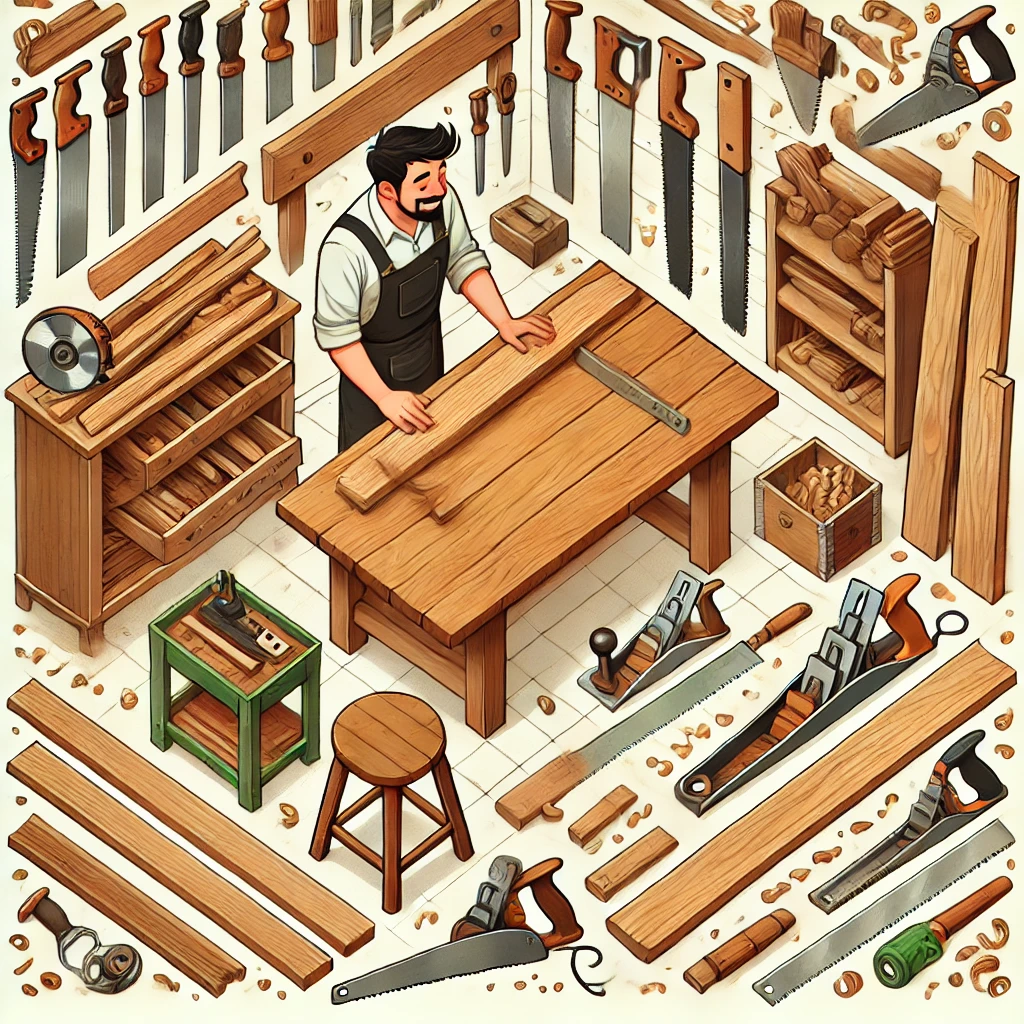
Explore The Therapeutic Benefits of Woodworking in Neuropathy Care
Advanced Ideas for Older Kids and Teens
- Bird feeders with hinges and openings.
- Skateboard or scooter decks.
- Wooden stools or benches.
- Jewelry or keepsake boxes with hinges.
- Wall-mounted coat racks or key holders.
Explore how woodshop helps increasing the value of real estate properties in 2026
Making Sawdust and Memories
Woodworking with kids isn’t about perfect dovetails or flawless finishes — it’s about sparking curiosity, encouraging problem-solving, and creating lasting memories. By starting with simple, safe children’s woodwork projects, you can inspire the next generation of makers to enjoy the creativity and satisfaction that comes from working with wood.
With patience, supervision, and the right projects, woodworking can become one of the most rewarding family activities — one that builds skills and memories that last a lifetime.
Visit WoodShop Widget